


You’re renewing your car insurance and you hit the usual fork in the road: third party, third party fire and theft or comprehensive? If you’ve ever clicked through the options and felt like you needed a degree to understand the difference between Comprehensive vs Third Party Car Insurance, you’re not alone.
For a lot of women, car insurance sits in that uncomfortable category of things you know matter but nobody ever really explained. So here it is, in plain English, without the jargon.
Comprehensive vs third party car insurance in Australia: what does each level actually cover?
The three cover types aren’t just different names for the same thing with varying price tags. Each one protects a fundamentally different set of risks, and the gaps between them can catch people off guard when they need to make a claim.
The biggest leap is from third party to comprehensive. Third party cover, at either level, only ever protects other people from you. The moment something happens to your own car, whether it’s an accident, a hit and run in a shopping centre car park, or damage you didn’t cause, third party cover steps aside. Comprehensive is what closes that gap.
Understanding that distinction upfront makes it a lot easier to match the right level of cover to your actual situation, rather than choosing based on price alone and hoping for the best.
The three types of car insurance at a glance
Before we go into each one, here’s a quick comparison of what’s covered at each level, from Comprehensive Insurance to Third Party Insurance.
| Covers | Third Party Property | Third Party Fire & Theft | Comprehensive |
|---|---|---|---|
| Covers damage you cause to others’ property | Yes | Yes | Yes |
| Your car if stolen | No | Yes | Yes |
| Your car if damaged by fire | No | Yes | Yes |
| Your car damaged in an accident (your fault) | No | No | Yes |
| Damage by an uninsured driver | No | No | Yes* |
| Windscreen and glass cover | No | No | Optional |
| Roadside assistance | No | No | Optional |
Third party property insurance
Third party property is the most basic level of car insurance available in Australia. It covers damage you accidentally cause to someone else’s vehicle or property, but it does not cover your own car at all.
Picture this: you’re running late for school drop-off, you misjudge a tight car park space, and clip the car next to you. Third party property takes care of their repairs. But if your bumper is caved in, that’s on you.
Third party property could make more sense for older, lower-value cars. A write-off happens when a car is damaged so badly that repairing it would cost more than the car is actually worth. In that case, the insurer pays the car’s market value, takes the damaged car, and that’s the end of the claim.
Is third party property right for you?
Something to think about is your cars value, could you replace or repair it without significant financial stress? What are your main concerns, is it protecting yourself from a large claim if you damage someone else’s property?
Third party fire and theft
This sits in the middle. You get the same third party liability protection, plus cover if your car is stolen or damaged by fire. It’s a meaningful step up, particularly if theft is a something you are concerned about.
Car theft remains a costly issue for Australian drivers, with tens of thousands of vehicles stolen and many more affected by theft-related damage each year. If you own a vehicle that’s commonly targeted by thieves, paying a little extra to add theft cover could save you thousands if the unexpected happens.
According to the Australian Bureau of Statistics, around 64,400 households experienced motor vehicle theft in 2024–25.
Is third party fire and theft right for you?
Fire, Theft & Third Party cover can offer strong value by protecting you against some of the most expensive and unexpected events, such as your car being stolen, damaged by fire, or causing damage to someone else’s property. It provides broader protection than basic Third Party Property Damage cover while remaining a more affordable option than Comprehensive Insurance.
While it doesn’t cover damage to your own car following an accident, it can be a practical balance of protection and value for many drivers.
Comprehensive car insurance
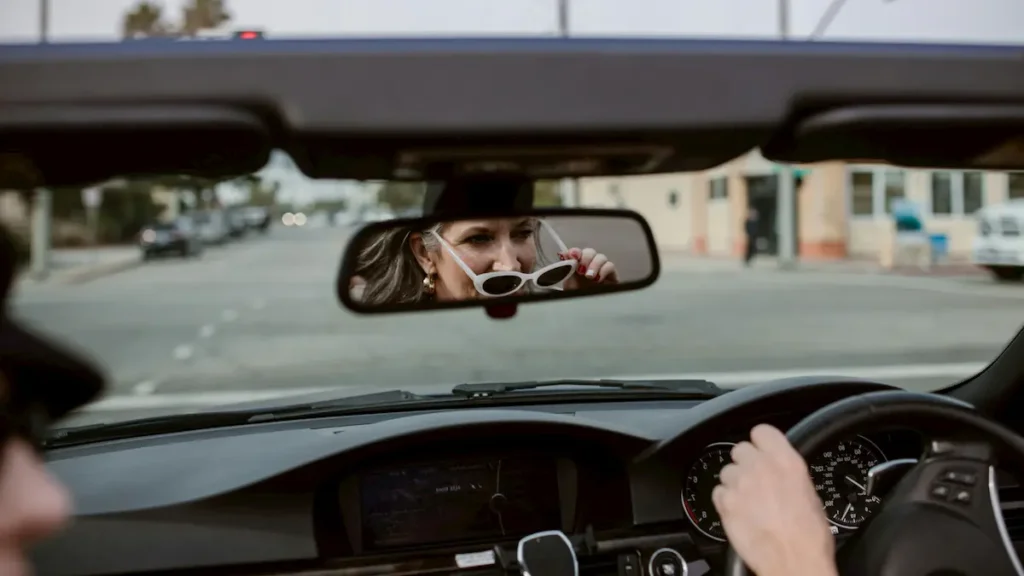
Comprehensive is the most complete level of cover. It includes everything in the two options above, and adds protection for your own car if it’s damaged in an accident, regardless of who caused it.
That last part could matter more than most people realise. If you’re involved in an accident caused by an uninsured driver, basic cover leaves you with no guaranteed way to recover your repair costs. Comprehensive removes that risk entirely.
For people who rely on their car day to day, whether it’s commuting, school runs, or keeping a business running, comprehensive cover also tends to offer practical optional extras: roadside assistance for when you’re stranded at the worst possible time, a hire car while yours is being repaired, and windscreen cover that doesn’t require a full claim.
Always check your certificate of insurance and product disclosure statement to find out what you’ve paid for.
Is comprehensive right for you?
When deciding whether Comprehensive Car Insurance is right for you, it can help to ask yourself a few questions:
- If your car was written off or stolen tomorrow, could you comfortably afford to replace it?
- Would being without your car have a significant impact on your daily life?
- Would the cost of repairing your own car after an accident be manageable?
- Are you financing your vehicle or is it one of your biggest assets?
Comprehensive Insurance provides the highest level of protection, covering your own vehicle as well as damage you may cause to others. Before deciding, it’s worth getting a quote and comparing your options to see which level of cover offers the best value for your needs.
How to decide which level is right for you
Start with your car’s value. If what you’d receive in a payout is lower than what you’d pay in comprehensive premiums over two or three years, stepping down to third party or fire and theft could make financial sense.
If your car is your most valuable asset or you’d genuinely struggle to replace it, comprehensive is the safer choice.
Think about your daily life too. If missing your car for a week would genuinely disrupt your routine, a comprehensive policy with a hire car benefit could be worth the extra cost on its own. And if your car is financed, check your loan agreement before you decide, does your lender require comprehensive as a condition of borrowing?
Finally, get the actual numbers before you assume. The gap between cover levels is often narrower than expected, and what feels like a premium choice sometimes turns out to be surprisingly close to the basic option.
Ready to find cover that actually fits your life? Get a comprehensive car insurance quote in minutes and see what the right cover looks like.
Any advice provided is general only and has been prepared without taking into account your objectives, financial situation or needs and may not be right for you. Benefits are subject to the terms and conditions including the limits, sub-limits and exclusions of the insurance policy. You should consider the appropriateness of any such advice, and read the Product Disclosure Statement (PDS), the Target Market Determination (TMD) and Financial Services Guide (FSG) for these products available at www.stellainsurance.com.au, before making a decision to acquire, or to continue to hold, the product.
For Comprehensive Car Insurance Policies issued after 24 June 2024: Stella Comprehensive Car Insurance is distributed by Stella Underwriting Pty Ltd (Stella) (ABN 72 633 811 319) as an Authorised Representative (AR No 001282046) of Virginia Surety Company, Inc. (ARBN 080 339 957, AFSL 245579), who is the insurance issuer.